
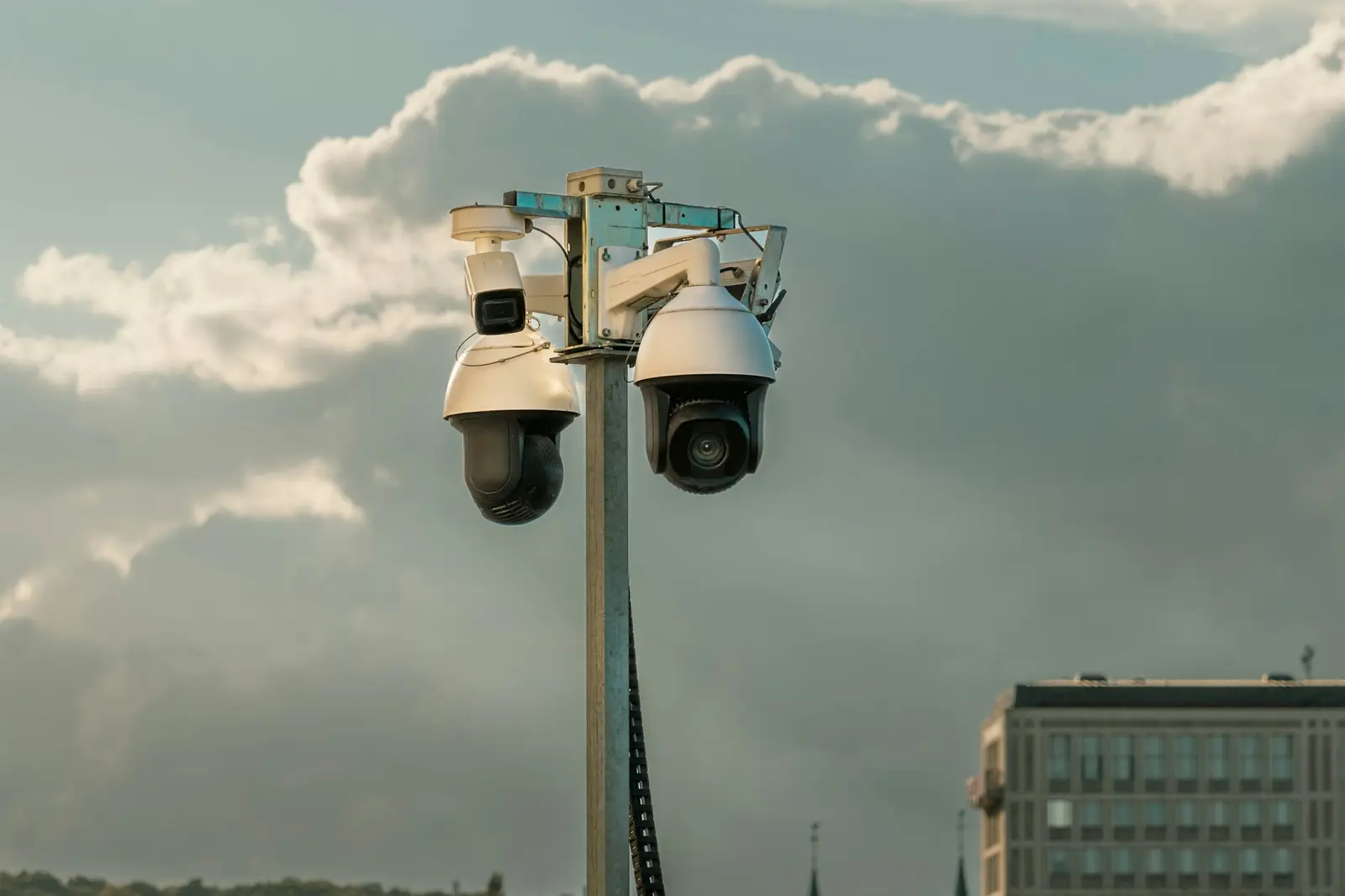
A well-planned CCTV system does far more than record footage. It deters incidents, supports investigations and gives management real-time visibility of operations. Poor planning, on the other hand, leaves blind spots and unusable recordings.
1. Start with a risk assessment
Identify entrances, exits, cash points, stock areas, car parks and perimeters. Each zone has a different purpose — identification, recognition or general observation — which determines camera type and placement.
2. Choose the right resolution and lens
Higher resolution is not always better if the lens and placement are wrong. Matching the field of view to the required detail level is what produces usable evidence.
3. Plan storage and retention
Recording days, frame rate and compression all affect storage size. Plan NVR capacity for the retention period your business and regulators require.
4. Follow local guidelines
In Abu Dhabi, many commercial premises must follow the requirements of the Abu Dhabi Monitoring & Control Centre (ADMCC). Working with an experienced installer helps ensure your system is planned correctly from the start.
- Cover all entry and exit points
- Use IP cameras with proper night vision
- Secure remote access with strong credentials
- Schedule regular health checks under an AMC


Leave a Reply